
Paint protection film for a new car and which panels to cover first
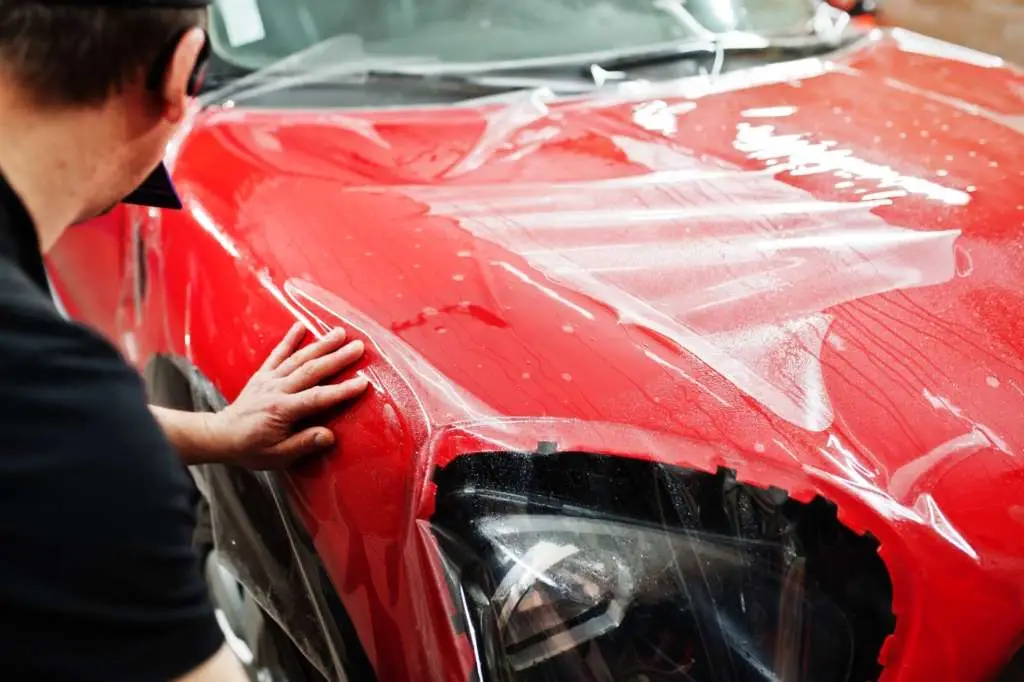
If you are considering paint protection film for a new car, make the first decision before it arrives. Do you want to keep the front tidy on long motorway runs, protect a sill that shoes scrape every day, or cover the whole car? Each answer leads to a different quote. Getting the right panels covered matters more than getting the longest possible list.
Start with the paint you have
Clear PPF takes some of the wear that would otherwise reach the finish. It can protect against everyday road grit and light scuffs. It does not fill a stone chip or replace paint that has already come off. Polishing will not bring missing paint back either. That is one reason fitting film soon after delivery appeals to people who value the original finish.
The paint on different models can respond differently to the same road conditions. If you already know a particular edge or sill marks easily, point it out to the installer. On a used car, ask to inspect the surface together. Mileage alone does not settle the question. Good original paint may be worth covering on a high mileage car, while a recently repaired panel on a newer one may need more time.
Choose the coverage you will actually use
The front bumper, bonnet, forward facing parts of the wings and mirror caps are common places to start. Sills, the loading edge and areas that catch shoes or luggage solve different problems. Compare a quote for those areas with one for a fuller front package. A driver planning to keep a car for four or five years may choose differently from someone who changes cars frequently.
Headlamps can be expensive to replace, which makes them tempting to include. A damaged or cracked lamp needs its own assessment. Discuss the lamp material, the film specification and the relevant requirements before including it in the job. Film belongs on a sound, suitable surface. It cannot repair a cracked housing or make a failing lamp roadworthy.
Book the fitting around delivery and paintwork
If you have a handover date, talk to the installer early. A larger job can keep the car in the workshop for two days or more, and freshly fitted film needs time to settle. Ask when you can collect the car, wash it and bring it back for an edge check. Weather and the material used affect that timetable. If you have to drive before the appointment, avoid unnecessary exposure to gravel and tell the installer about any fresh chips.
Mention any repaint, upcoming rustproofing, wax or ceramic coating when you book. A paint shop can confirm when its repair system has cured enough to cover. Allow that time even if the surface already looks dry. Overspray or a coating on the bonding surface can add cleaning work or interfere with adhesion. Planning the order of these jobs saves paying somebody to undo the last one.
Small pieces and full panels are different jobs
A small loading edge protector is a manageable first project for some owners. A full bonnet or a shaped bumper needs a clean, well lit space, suitable film and experience handling a large wet sheet. Ask a workshop what product it uses, how it prepares vulnerable edges and what happens if one protected panel later needs replacement. Films with a self healing topcoat can recover from light surface marks. A deep cut can still mean replacing that piece.
Keep the invoice and a list or diagram of the covered panels. If the car is involved in a claim, those details let you ask your insurer exactly how replacement film will be treated under your own policy. For a vehicle film quote in Tallinn, send the model, year, photos and the panels you want priced.


