
Choosing solar window film for heat, glare and daylight
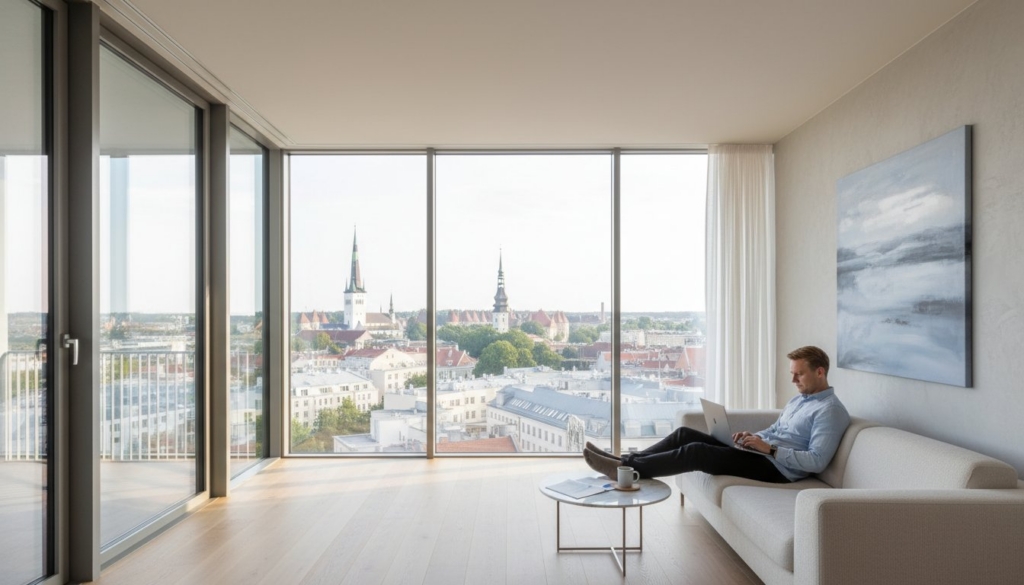
“The sun lands straight on my desk at three in the afternoon” is a better starting point than “I want the darkest film”. Solar window film can reduce glare and change how much solar heat enters a room. Those are different jobs. The best choice for reading a screen may be different from the best choice for a bright living room where you want to keep the view.
Read the figures on the material sheet separately. Visible light transmission tells you about daylight passing through the glass. Solar energy rejection describes something different, and a UV figure doesn’t tell you how many degrees cooler the room will feel. Check the type of glass used for the figures. Ventilation, external shade and the direction the window faces affect how the room feels too.
The installer needs to know what the glazing can take. Photograph the whole window and the markings on the glazing unit if you can see them. Existing coatings, the condition of the pane and whether the film is designed for the inside or outside all matter. Two visually similar samples may have different installation requirements.
Reflective film can make it harder to see into a room during daylight. After dark, when the lights inside are brighter, the view can change. You can see that distinction in 3M’s guide to window films. If privacy is also important at night, consider a blind or frosted film, bearing in mind that frosting obscures the outward view as well.
Look at the room as well as the glass
At home, note when you close the blinds and what that stops you doing. You might need enough daylight to read beside the window but less glare on a screen across the room. Place a sample where you can see both effects. If a rug or display sits in direct sun, ask for the UV figures for that film and remember that light and heat also contribute to fading. Photograph the room at the time the problem actually occurs.
When using our window film calculator, enter the width, height and quantity for each size of pane. Include the floor, access, direction the window faces and any old film that needs removing. We can then check the proposed film against your actual glazing and explain when it’s ready for its first clean.


