
How a cutting plotter turns vinyl into letters and logos
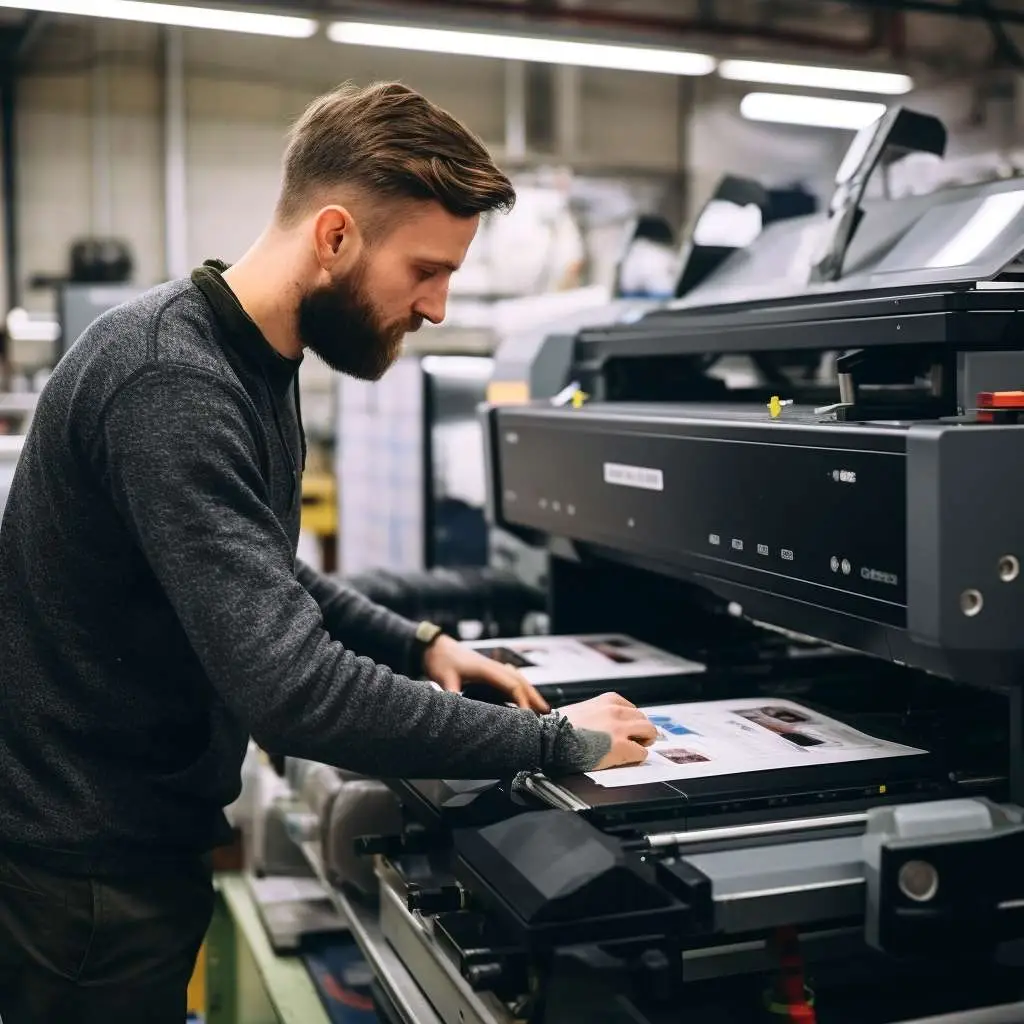
Look closely at a shop window with plain white opening hours. Sometimes the glass you see between the letters really is bare glass. In vinyl plotter cutting, a machine follows the outlines of the letters in a sheet of coloured film. Once the excess vinyl is removed, only the lettering remains.
Cutting is a separate decision from printing. A straight hand cut can be enough for a simple sample. Other production processes use lasers or water jets for particular materials and jobs. For thin self adhesive vinyl, a blade plotter follows a digital path and can cut through the face material while leaving the backing in place. This makes it possible to move a complete line of letters together on application tape.
The drawing matters. A clean outline scales neatly from a small equipment logo to lettering on a van. Tiny isolated dots, very thin strokes or sharp points can be difficult to lift and transfer. If part of your design is a full colour photograph, the workshop can print it first and cut around the outside instead of trying to build the picture from separate colours.
We use cut vinyl for shop windows, vehicle lettering, stencils and product identification. A logo can also sit alongside printed instructions in a set of industrial labels. To discuss a job or request a sample, send your artwork, finished size, quantity and the surface it needs to stick to. Those details tell us whether a simple cut or a combination of printing and cutting makes more sense.


