
What selling travel pillows on Amazon cost my wall decal business
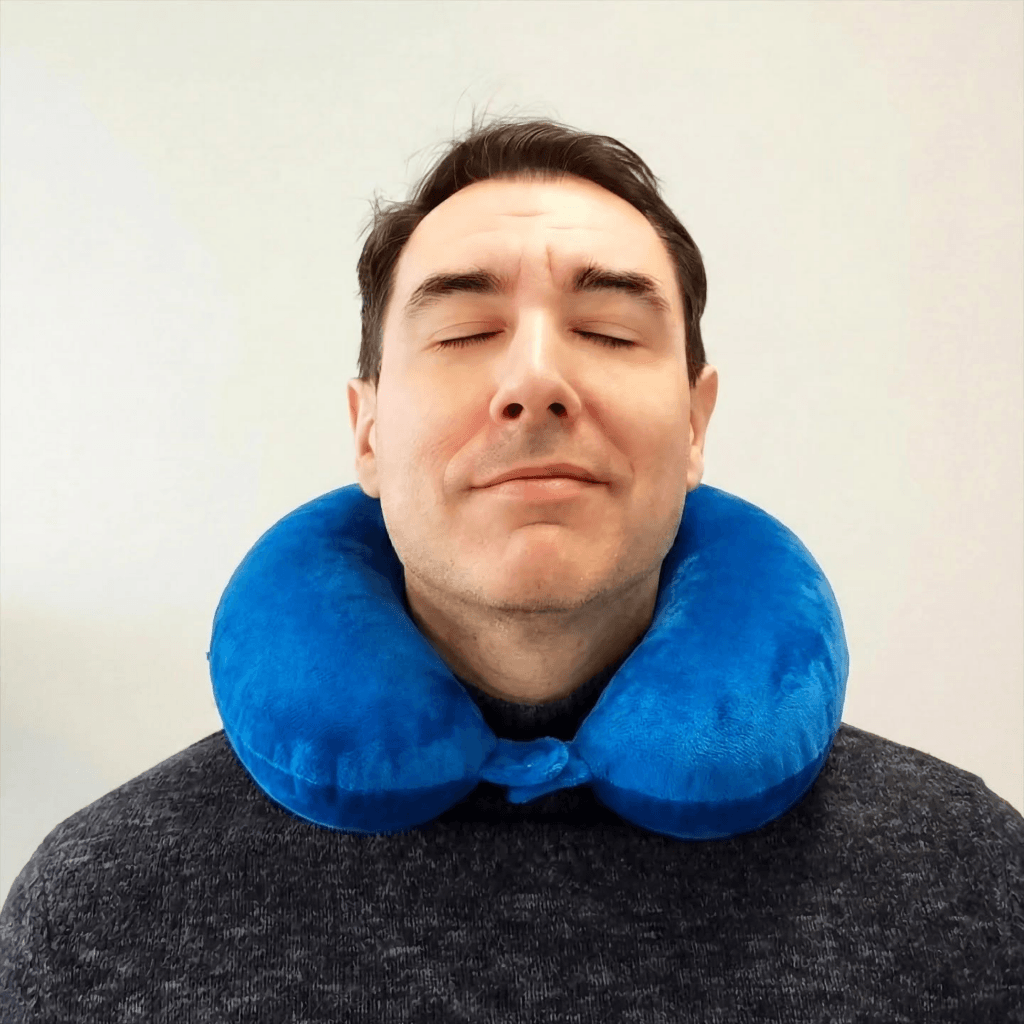
After an experiment with cheap shower curtain rings, I thought I’d solved the problem. Find a product that sells for more than $20, and there should be enough margin for advertising. Around 2014 or 2015, selling travel pillows on Amazon looked like a promising way to test that idea.
Most of the U shaped pillows I found were black. The data suggested people wanted blue ones and didn’t have much choice. I wanted fine beads that would settle around the neck and a soft cover without that fresh plastic smell. I contacted twenty suppliers. Five would make a test run of fifty, and the one I chose included gift packaging.
I sent the first batch to Amazon and priced a pillow at around $24. I knew what the customer would feel when they picked it up. On a screen, though, they could see another blue pillow that cost more than the one beside it. I paid a product photographer to show the fabric close up. Through Amazon Vine, people tried it and left positive reviews. Even five star reviews didn’t make the fabric easier to feel through a screen.
I ordered another two hundred to give the listing a chance. Advertising kept consuming the budget, and an unexpected cost showed up back at the workshop. While I picked fabrics and adjusted campaigns, I wasn’t making new wall decal designs or following what customers wanted us to print. The business already paying my bills began to suffer.
I cleared the pillows at roughly break even and went back to the printers. It wasn’t a bad pillow. I had simply spent a lot of time proving I could sell something I didn’t make, while neglecting the things I could make well myself.


