
What we do when a marketplace damage photo looks edited
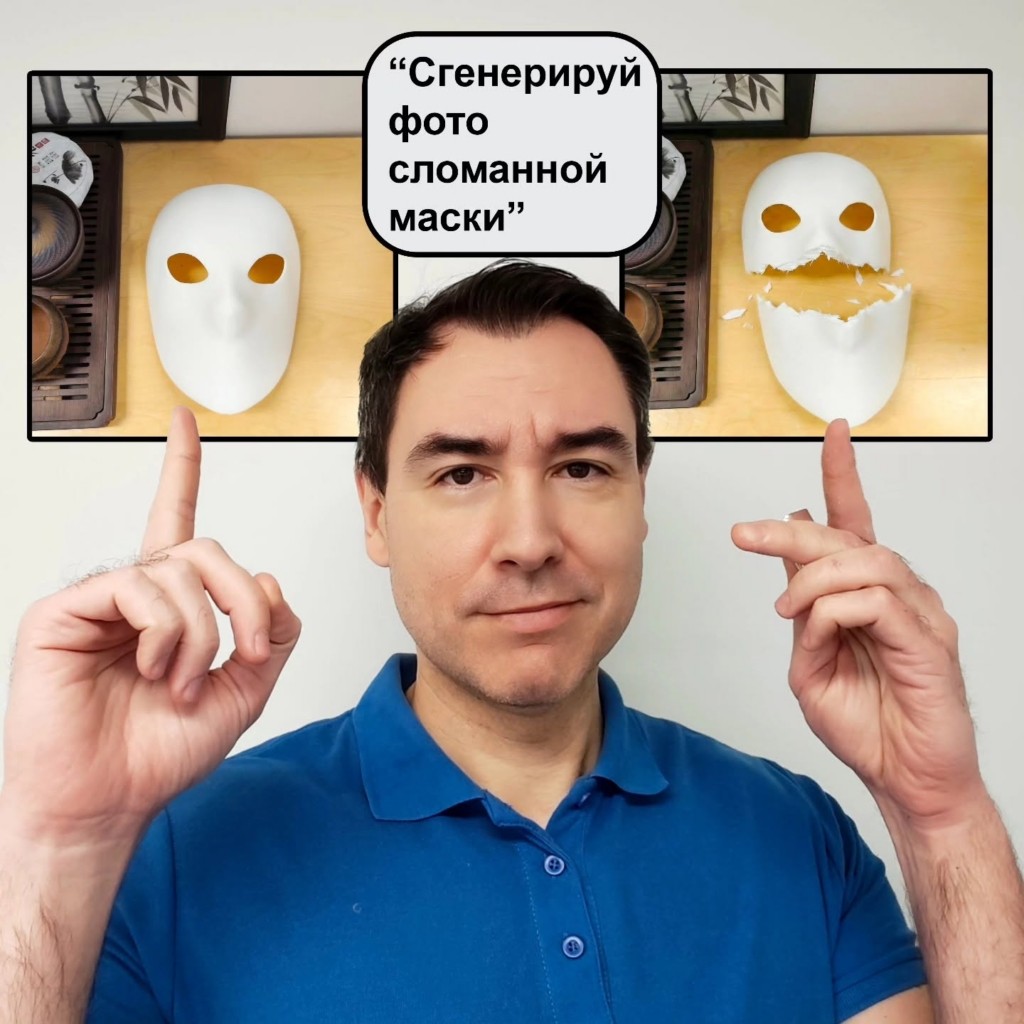
I use AI to think up wall decal designs and ideas for our 3D printer. I didn’t expect it to become part of our returns process too. What got our attention was a run of similar photos, usually accompanied by a request for a full refund and sometimes a threat of a bad review.
At first, especially around the holidays, we sometimes refunded an order as soon as we saw the picture. When we started receiving two or three questionable claims a month, I sat down with our customer service team to look through them together. A stripe on a printed sticker could certainly be a printing fault. A picture of one of our plastic masks apparently shattered like glass was harder to reconcile with the object we had made.
The trouble with AI edited damage photos is that an odd detail alone tells you very little. We looked at whether the loose pieces fitted the break, whether the lettering matched our design and whether the material normally broke that way. We also tried asking an image tool what it saw. I treat its answer as another pair of eyes. The actual product tells us more.
Our reply now is fairly simple. We offer to pay return postage, inspect the item at the workshop and arrange a replacement or refund. That gives someone who really did receive a damaged order a clear way forward. Some of the conversations that worried us ended as soon as we offered to take the item back.
The hardest part for me is still the public review. Etsy hasn’t always removed a review when we’ve questioned the photo. When it stays up, I write a short reply explaining what we offered the buyer. The next customer can see how we handled the problem without having to take sides in an argument over a picture.


